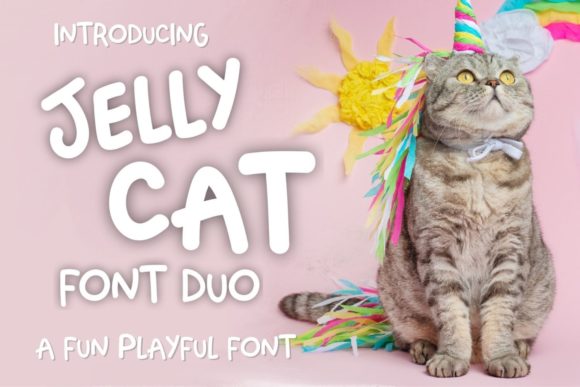
Jelly Cat Font: Handwritten Style for Digital Marketing
Jelly Cat is a handwritten font that brings warmth and personality to digital design. Its natural, flowing strokes make it ideal for creating visuals that feel authentic and approachable. Whether you're crafting social media posts or designing campaign graphics, Jelly Cat offers a unique touch that stands out in a crowded digital space.
As a script font, Jelly Cat blends the elegance of traditional calligraphy with the ease of modern typography. Its soft curves and irregularities give it a handcrafted feel, making it perfect for brands that want to convey friendliness and creativity. This font isn’t just about style—it’s about creating a visual language that resonates with your audience.
Using Jelly Cat in Social Media Graphics
Jelly Cat shines in social media visuals where quick recognition and emotional impact matter. Instagram posts, Pinterest pins, and YouTube thumbnails benefit from its expressive nature. A headline in Jelly Cat can draw attention, while a tagline in the same font adds consistency and charm.
For example, a sale announcement using Jelly Cat as the main text can feel more personal and engaging. The font's organic look helps create a sense of urgency without being too formal. It works especially well on mobile screens, where small previews need to communicate clearly and quickly.
Enhancing Brand Recognition with Jelly Cat
Consistency is key in brand identity, and Jelly Cat can help reinforce your brand’s visual presence. When used across digital platforms—website banners, email headers, or landing pages—it creates a cohesive look that builds familiarity. This is especially valuable for small businesses or startups looking to establish a strong online presence.
Consider using Jelly Cat in your logo design or as a decorative accent in your brand assets. Its friendly appearance can help differentiate your brand from competitors, especially in industries like lifestyle, fashion, or wellness, where a human touch matters.
Improving Readability and Visual Hierarchy
While Jelly Cat is a display font, it’s designed with readability in mind. Its legible structure ensures that even in short texts, such as headlines or callouts, the message remains clear. This makes it a great choice for digital ads, promo graphics, and campaign visuals where clarity is essential.
Pairing Jelly Cat with a clean sans serif font can enhance readability in longer text blocks. For instance, a webinar banner might use Jelly Cat for the title and a sans serif font for the details. This combination balances creativity with functionality, ensuring your message is both attractive and easy to read.
Influencing Audience Perception with Jelly Cat
The right font can shape how your audience perceives your brand. Jelly Cat’s friendly and approachable style makes it ideal for first impressions, product launches, or seasonal promotions. It conveys a sense of authenticity that connects with audiences on an emotional level.
Imagine using Jelly Cat for a holiday promotion. A banner with "Happy Holidays" in this font feels more inviting than a standard typeface. Similarly, a personal branding post using Jelly Cat as a signature can add a unique flair that sets your content apart.
Practical Applications of Jelly Cat
Jelly Cat is versatile enough to work in a variety of creative projects. A content series might use it for title cards, while an online shop promotion could feature it in product banners. It also works well in branded templates, adding a custom touch to newsletters, social media kits, or client presentations.
For a teaser campaign, a simple phrase like "Coming Soon" in Jelly Cat can build anticipation. In an inspirational quote graphic, the font adds a personal and heartfelt tone. These applications show how Jelly Cat can be used strategically to support different marketing goals.
When to Use Jelly Cat
Jelly Cat excels in short text scenarios where visual appeal matters most. Headlines, titles, and logos are natural fits. It also works well as a decorative accent in editorial design or packaging design, adding a handmade quality to your visuals.
However, it’s best to avoid using Jelly Cat for large blocks of text. Instead, use it to highlight key messages or add personality to your designs. This ensures that your content remains accessible while still benefiting from the font’s unique character.
Font Pairing Tips for Jelly Cat
Pairing Jelly Cat with other fonts can elevate your design work. A clean sans serif like Arial or Helvetica provides contrast and improves readability in captions or descriptions. For a more sophisticated look, combine it with a serif font like Georgia or Times New Roman.
These pairings allow you to maintain visual balance while leveraging the strengths of each font. Experiment with different combinations to find what works best for your brand’s aesthetic and messaging goals.
Commercial Licensing and Usage
Before using Jelly Cat in commercial projects, it’s important to review the licensing terms. This applies to ads, templates, client campaigns, merchandise, or digital products. Proper licensing ensures that your use of the font is legal and respects the designer’s rights.
As a premium font, Jelly Cat offers high-quality design assets that can enhance your creative work. Whether you’re working on a personal project or a client campaign, understanding the licensing terms helps you use the font confidently and responsibly.
Jelly Cat is more than just a font—it’s a tool for creating meaningful connections through visual communication. Its handwritten charm and versatility make it a valuable addition to any designer’s toolkit. Whether you're working on social media graphics, brand assets, or campaign visuals, Jelly Cat can help you stand out and engage your audience effectively.